









You never plan for downtime.
It usually shows up at the worst possible moment, mid-route, mid-shift, or right before a critical delivery. One truck goes down, and suddenly phones start ringing, schedules tighten, and the pressure is on. Every idle hour feels heavier than the last.
Downtime isn’t just lost miles; it’s lost momentum.
The fleets that handle it best aren’t lucky. They’re prepared. They build flexibility into their operation so when something breaks, the business keeps moving.
Access to Backup Equipment, Before You Need It
When a truck goes down, time becomes the enemy. Waiting weeks for repairs or scrambling to source a replacement can stall an entire operation.
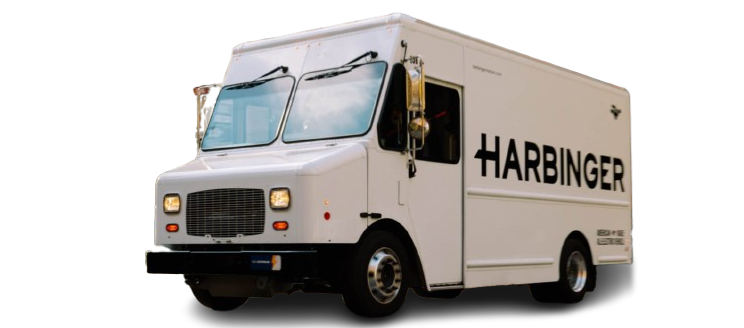
Having rental access gives fleets an edge. Road-ready equipment is available when it’s needed, not after the problem has already disrupted schedules. Instead of parked freight and frustrated drivers, fleets can swap equipment and keep deliveries on track.
It’s not about replacing trucks; it’s about protecting uptime.
Maintenance That’s Planned, Not Reactive
Unplanned maintenance creates unplanned downtime. Fleets that reduce interruptions focus on preventive care and clear maintenance schedules.
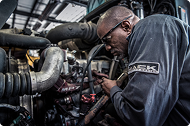
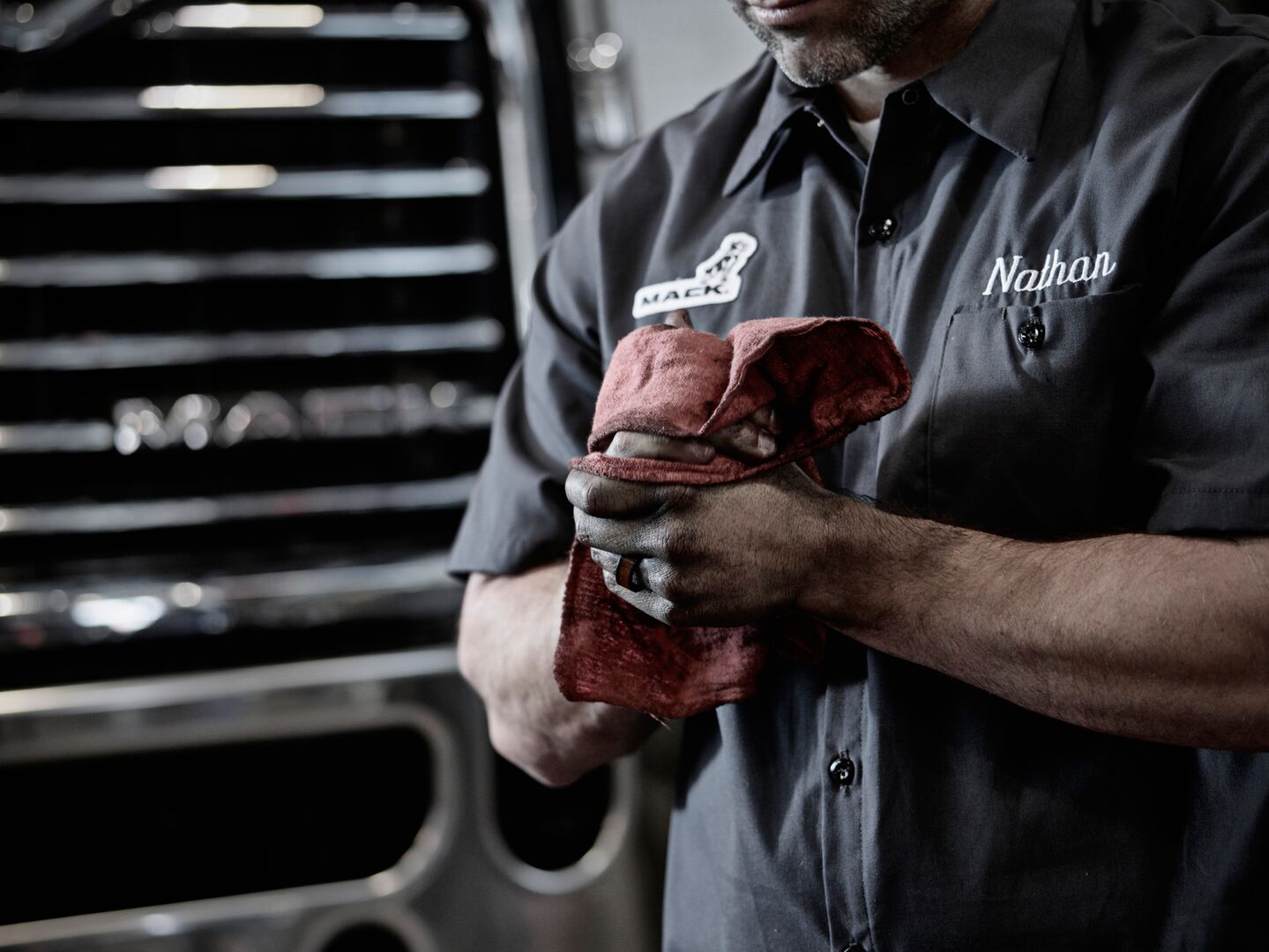
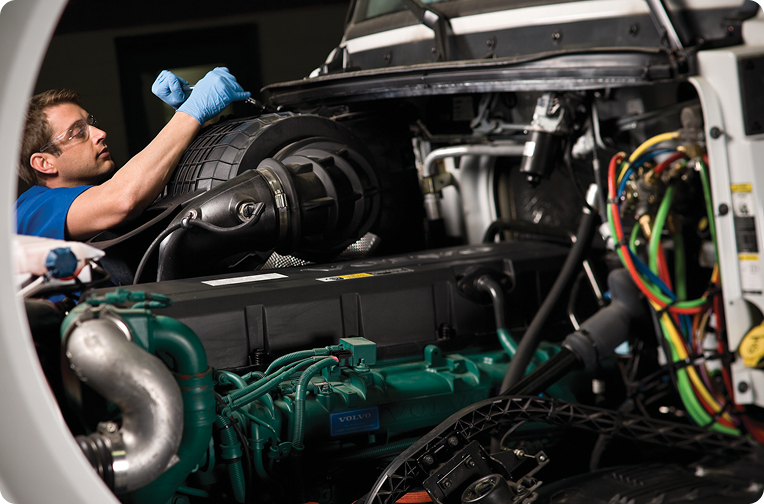
Rental programs support this approach through a Fleet Maintenance Program, which includes regular inspections, proactive maintenance planning, and coordinated repairs. Issues are caught earlier, repairs move faster, and trucks spend less time in the shop and more time on the road.
Less reacting, more running.
Coverage When Repairs Take Longer Than Expected
Even with careful planning, some repairs take longer than expected. Parts delays and busy service bays can turn a minor issue into weeks off the road.
Rental flexibility provides a safety net. When a truck needs extended repairs, replacement equipment keeps operations moving while the original vehicle is serviced. Downtime doesn’t disappear, but it stops being disruptive.
Where Leasing Fits Into the Plan
For fleets thinking beyond short-term solutions, leasing adds another layer of control. Instead of managing aging equipment and unpredictable repair risk, leasing supports planned replacement cycles and newer trucks, reducing the chance of major downtime before it happens.
When paired with a Fleet Maintenance Program and rental flexibility, leasing becomes part of a long-term uptime strategy rather than a reactive fix.
Capacity That Adjusts With Your Business
Peak seasons, new contracts, and unexpected demand shifts all test a fleet’s capacity. Owning equipment for maximum demand often means underutilized trucks during slower periods.
Rental fleets allow businesses to scale up when needed and scale back when demand eases, without long-term commitments. Equipment stays productive, and downtime tied to overcapacity is reduced.
Predictable Costs Support Better Decisions
Unexpected repair bills often go hand in hand with downtime. Structured rental and maintenance programs help stabilize costs, making expenses easier to forecast and decisions easier to make.
When approvals move faster, trucks get back on the road sooner.
Planning for Downtime Means Planning for Continuity
Downtime will happen. The difference is whether it stops your operation, or whether you’re ready for it.
Rental, leasing, and maintenance programs are tools fleets use to stay flexible, protect uptime, and keep momentum when the unexpected hits. In trucking, preparation is often what separates disruption from continuity.
At Vanguard Truck Leasing, these tools help fleets plan ahead so one truck going down doesn’t slow everything else down.