











Author: Ryan Goodlett, Vice President of Parts Sales
Why Fuel Quality Matters for Diesel Trucks
We don’t sell fuel at Vanguard, but we do help customers deal with the results of poor quality fuel through service and parts. Quality fuel is a key component of your engine. The quality of fuel directly affects power, emissions, downtime, and your total cost per mile. One of the most important, and most misunderstood, areas of fuel quality is cetane. Understanding cetane and how it impacts your fleet is one of those overlooked details that can save a lot of money in repairs and downtime.
What Cetane Is; And Why You Care
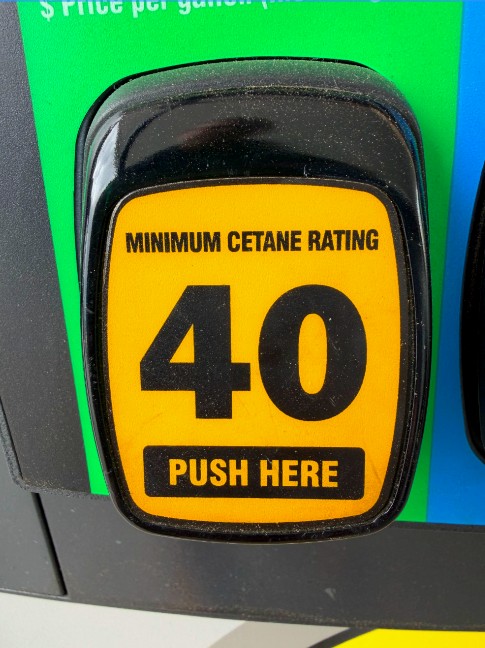
Cetane is to diesel what octane is to gasoline, but in reverse. Octane measures resistance to knock; cetane measures how easily diesel ignites under compression. A higher cetane number means the fuel lights off more quickly and more predictably after it’s sprayed through the injectors.
For a diesel engine, this has several benefits:
- Faster, smoother cold starts, especially in winter. Diesel engines in class 8 trucks do not have glow plugs to assist with starting like some smaller diesel engines do.
- Less combustion delay, which reduces diesel knock and harshness.
- More complete combustion, which can help fuel economy and reduce emission related component failure (Nox sensors, DPF, SCR, etc.).
Most on road diesel in the U.S. must meet a minimum cetane level by ASTM D975 fuel spec standards. Modern heavy‑duty engines with high pressure common‑rail systems often perform best with fuel in the mid 40s to low 50s cetane range. You don’t want to “chase numbers” into the extreme 60+ range, because the cost of traditional diesel fuel outweighs the benefits. That said, renewable diesel commonly falls into the 60+ cetane range and may be worth considering for fleets looking to reduce emissions while still benefiting from higher cetane fuel.
Getting High‑Quality Fuel On the Road
When you’re fueling at truck stops, you don’t get to see a cetane number on the pump most of the time. But you can still stack the deck in your favor with a few habits:
- Use high‑volume truck stops. Places that move a lot of diesel fuel tend to have fresher fuel, less water contamination, and fewer microbial growth issues in their tanks.
- Stick with reputable brands. Major national chains and regional fuel suppliers are more likely to maintain additive packages, detergents, and consistent quality control.
- Avoid “mystery” diesel. Deep discounts at questionable locations can be a red flag that storage, filtration, or turnover isn’t where it should be.
- Avoid slow pumping stations. If the pump is slow, chances are they don’t maintain their fuel system regularly by changing cleaning filters (tanker to the tank) and the polishing filters (from tank to your truck).
Consider a quality fuel additive. A good diesel additive designed for cetane improvement, lubrication, and water control can bump cetane several points while also protecting injectors and pumps.
For a simple rule of thumb: if big fleets and other trucks are always lined up at a location, that’s usually a good sign that the fuel quality and turnover are up to par.
Managing Fuel Quality in Your Bulk Tank
If you run a small fleet or have your own yard, your bulk tank is just as important as the fuel you buy. Even the best diesel can turn into “bad fuel” if it isn’t stored correctly.
We worked with a local fleet of ~550 diesel power units. Class 8 down to class 4. Their bulk fuel supplier was providing them fuel with a cetane rating of ~35. We worked with them to negotiate better fuel quality, then they added a cetane booster to their bulk tanks. Within months they started seeing fewer injector-related issues and picked up fuel mileage across the fleet. Even after paying more for better fuel and additives, they estimated the change saved them more than $125k a year.
To keep cetane and overall quality high:
- Size your tank to your usage. You want regular turnover so fuel doesn’t sit for months, which can lead to oxidation and cetane degradation.
- Keep water out. Maintain tight caps, check vents, and drain water bottoms regularly. Water in the tank promotes rust and microbial growth (“algae”), both of which destroy fuel quality.
- Use proper filtration. Install good filters on both the delivery and dispensing side and change them on schedule. Clean fuel helps maintain injector performance and consistent combustion. We can help you design a filtration system with a filter manifold from Donaldson and Donaldson filtration for both cleaning and polishing your fleet’s fuel.
- Treat your fuel. Use a bulk additive program that includes a cetane improver, corrosion inhibitor, and biocide where needed. This helps maintain cetane over time and keeps the system clean.
- Monitor and test periodically. Simple periodic lab tests or field kits can check for water, microbial contamination, and cetane index, giving you early warning before drivers start noticing problems.
Bringing It All Together
For a diesel truck, “cheap fuel” can quickly become expensive in the form of hard starts, regens, injector failures, and downtime. By paying attention to cetane and being intentional about where you buy fuel and how you store it, you can get higher quality diesel both on the road and in your bulk tank. Add all of this together and you get a quieter engine, better starts, increased MPG, and fewer repairs.