















Author: Ryan Goodlett, Vice President of Parts Sales
This is the second installment of a two part blog post around “Behind the Price Tag: How Supply Chain Disruptions Are Impacting Parts Costs- Part 1.” In the first post we talked about Supply, Freight, and Parts Production. In this post we will take and economic look at Labor and Inventory, Consumer Behaviors, and Overall Economy, and how they affect you.
Labor and Inventory
Inflation has created quite the unique market in the past 5 plus years. Earnings growth and staffing shortages across manufacturing facilities have a direct and correlative effect on the production cost of every piece produced. As demand fluctuates back and forth for inventory, additional working capital requirements increase come tight this inventory carrying costs. The interest rates associated with these carrying costs have mid to long term effects on each on product and vendor.
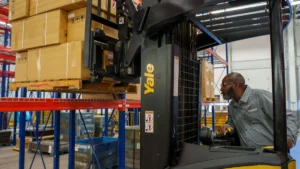
As warehouses work to reduce or stabilize their labor costs as well as have a more stable and dependable work force, they have been moving toward automated warehousing. These costs are additional new costs in infrastructure that get wrapped in and carried towards the end consumer through margin adjustments.
Consumer Behaviors
Consumer behavior definitely plays a part in pricing. Over-buying or “striking while the iron is hot” creates artificially high demands which triggers demand-driven price increases through unallocated manufacturing space and the need to source materials quickly. This can shift the behavior OEM and the aftermarket. For example, when an OEM has pushed their allocation to the limits with first and second tier suppliers, this extends out to additional vendors. This results in where some may be considered only aftermarket, or vendors Add them to their portfolio and purchasing manufacturing space. This pushes the aftermarket supplier to raise their prices closer to OE list price levels.
Economics
Let’s start with things we know and that are a given. Contracts after the pandemic have cycled through and most been renegotiated or put out for rebid. These suppliers that operated through this difficult time looked at the areas where they were strained and addressed those areas, typically, through dynamic and predetermined price clauses rather than annual fixed price adjustments.
For the “here today, go tomorrow, and back again,” we bring in the most unknown discussion of foreign currency and tariff fluctuations. These shifting exchange rates based on globally macroeconomic changes have been around awhile but seems to be increasing as countries drive their economic success in specific sectors.
The second is the ever-changing geopolitical tariff landscape. Tariffs create two forms of cost increase. One is through the tariff itself. This cost is directly applied to the cost of a component and while it is true that some companies choose to not pass this along, most do not follow this practice, and the end consumer pays more. The second is the uncertainty of the tariff cost and when it applies. This leaves manufacturers, distributors, and importers guessing at when it is the best time to buy, product, and distribute products and how much.
At the end of the day, there are some many things controlling the pricing that we are at the mercy of. Together our best practices are managing local decisions and communications, partnered together to make sure we maximize efficiencies, needs, wants, and concerns. Thanks for being a partner.