













Every fleet looks great in October. The leaves are pretty, the batteries are “fine,” and nobody’s talking about gelled fuel.
Then January shows up, uninvited, with a wind chill and a to-do list.
Winter is when weak spots reveal themselves: the battery that was holding on by a thread, the aging tractor with a moody aftertreatment system, the driver who calls out sick on the one day you needed everyone. Cold weather also tends to hit demand and capacity at the same moment. Freight surges around the holidays, ice slows every route, and the units you’d normally count on are sitting in the shop, waiting on parts.
The question isn’t whether winter will test your fleet. It’s whether your fleet has enough flexibility to pass.
Where Cold Weather Hurts Fleets Most
Winter has a few favorite ways to ruin your week:
- Cold-start and electrical failures. Weak batteries, tired starters, and failing alternators are the classic winter no-show. A battery that struggled in the fall will often quit on the first hard freeze. It’s not being dramatic. It’s being honest.
- Fuel and fluid issues. Fuel gelling, water in fuel, and diesel exhaust fluid (DEF) problems can sideline a truck fast, especially without proper heaters or winter-blend fuel. When your fuel turns to pudding, nobody gets dessert.
- Air system problems. Moisture in air lines and failing air dryers can freeze up and compromise brakes. That’s both a downtime problem and a safety problem, and nobody should be “winging it” on brakes.
- Tires, wipers, and visibility. Worn tread and neglected lighting turn marginal conditions into incidents. Traction is a team sport, and bald tires don’t make the roster.
- Longer cycle times. Even when nothing breaks, slower roads and sluggish docks mean every truck does less in a day. Winter doesn’t just slow the roads. It slows the whole calendar.
Any one of these can cost you a day. Several at once can cost you a customer.
The Hidden Cost of an Inflexible Fleet
A fleet sized exactly to average demand has no room for a bad week. When a truck goes down in January, your options are usually poor: miss the delivery, push your remaining trucks and drivers harder, or scramble for a replacement at the exact moment everyone else is scrambling too. (Spoiler: the rental lot is not a quiet place on the first snow day.)
The opposite problem is just as real. Buying or long-term leasing enough trucks to cover your absolute peak means carrying idle capacity, and its cost, through the other nine months of the year. That’s a lot of trucks sitting around in July wondering why they came.
Flexibility solves both. It lets you match capacity to what the season actually demands.
Five Ways Flexible Fleet Options Keep You Out of the Deep Freeze
1. Short-term rental: your safety net.
When a unit goes down, a rental replacement keeps routes running while the repair gets done right instead of rushed. Customers who line up a rental option before the first cold snap turn a potential service failure into a minor inconvenience. Think of it as a spare tire for your whole operation.
2. Seasonal and peak-demand capacity.
If your volume climbs in Q4 and early Q1, or you take on seasonal work like snow removal, salt and sand hauling, or heating fuel delivery, a rental or short-term lease lets you add trucks for exactly the months you need them and send them back when you don’t. No long-term commitment, no awkward goodbyes.
3. Full-service leasing: maintenance risk, handled.
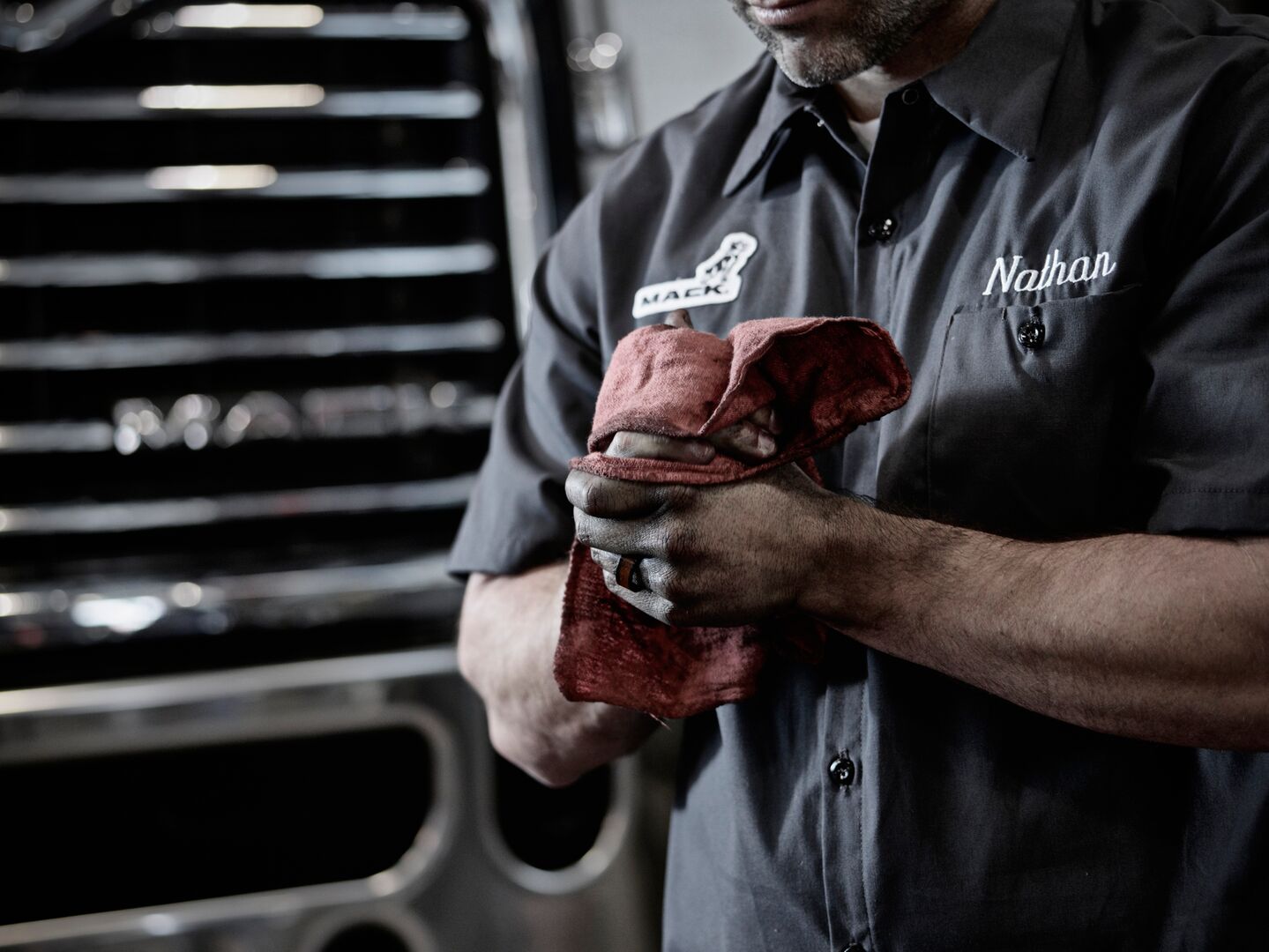
A full-service lease bundles scheduled maintenance, repairs, and often roadside support into one predictable cost. In winter, that means pre-season inspections, battery and cooling system checks, and fast response when something goes sideways, all from the team that knows your equipment. It’s the difference between hoping for the best and having someone else sweat the details.
4. Newer equipment where it matters most.
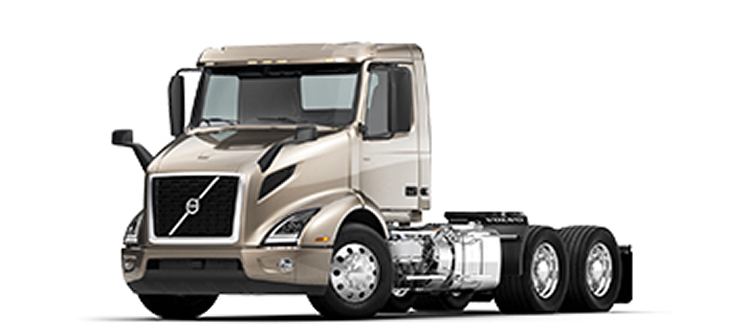
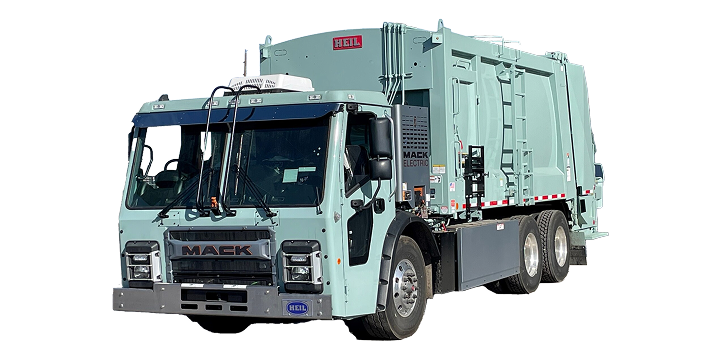
Rotating your most demanding lanes into newer Volvo and Mack units means fewer age-related failures at low temperatures. Leasing makes it easier to refresh part of your fleet on a regular cycle instead of absorbing one big capital hit. Some trucks age like fine wine. Most age like bananas.
5. Right-sized specs for the job.
Winter work can call for different equipment: day cabs versus sleepers, specific axle configurations, and spreader setups, or extra cold-weather packages. Flexible options let you put the right truck on the right job without permanently reconfiguring your core fleet.
A Practical Pre-Winter Checklist
Before the deep cold arrives, ask yourself:
- Which of our units have the highest breakdown risk in extreme cold?
- Do we have a defined plan, and a provider, for replacement units if one goes down?
- Are preventive maintenance inspections current, including batteries, belts, hoses, air dryers, and aftertreatment components?
- Do our volumes or routes change between now and spring?
- Are our drivers equipped and trained for cold-weather operation, including pre-trip inspections and spotting early warning signs?
If any answer is “not sure,” that’s your cue. Better to have the conversation now than let a breakdown make the decision for you.
Plan for the Stress Test Before It Starts
You can’t control the weather, but you can control how much of the risk lands on your operation. A fleet with options, such as rental backup, seasonal capacity, and a maintenance-inclusive lease, handles a rough winter far better than one with no slack. And the best time to line that up is now, before the first storm warning and before everyone else is calling for the same trucks.
Talk to the Vanguard Truck Centers rental and leasing team about building a winter plan that fits your routes, your volumes, and your budget. Whether you need a standby unit, a seasonal add-on, or a longer-term lease with maintenance built in, we’ll help you head into winter with confidence.
Because when the temperature drops, your uptime shouldn’t.