












Author: Ryan Goodlett, Vice President of Parts Sales
The difference between a minor inconvenience and a major operational disruption often comes down to one thing: your parts partner. How do you know your parts partner is doing the best thing for your fleet. Furthermore, what should you expect from this relationship?
Parts influences, and some might say dictate, far more than just the expenses coming across your P&L Statement. They affect uptime, technician efficiency, repair quality, and total cost of ownership. This quickly translates into how a relationship a fleet has with its parts provider often matters more than the parts themselves.
After more than 25 years balancing the needs of both a dealership and fleet customers, I’ve seen the difference between “just a supplier” and a true “parts partnership.”
Here are a few suggestions for a good partnership between a parts supplier and your fleet.
Honest Communication
A good parts partner doesn’t default to the most expensive option, and they don’t chase the cheapest one either. Instead, they help fleets understand trade-offs:
- When OEM parts truly matter
- Where aftermarket options can be reliable and cost-effective
- Which components tend to create repeat failures
- What a lower upfront price might cost later in labor or downtime
Availability
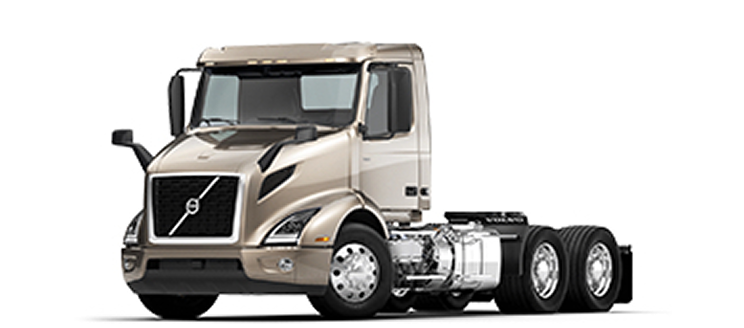
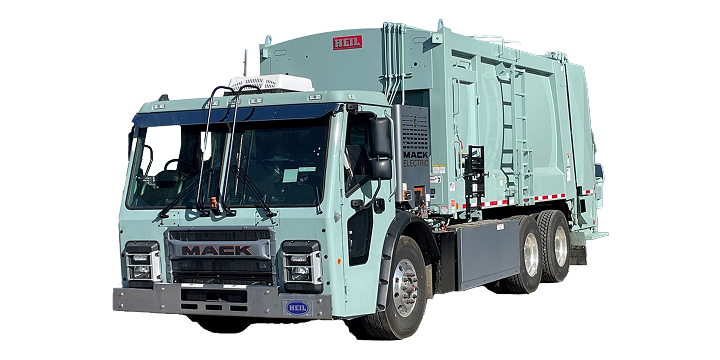
Parts availability, to a certain degree, relies on the fleet. If you spread your purchases around, no one location may have enough sales to stock the product you need. One of the byproducts when you partner with a source of parts is availability. This is one of the things that separates adequate from excellent. Your partner should maintain inventory depth in the parts you use most, and they should have established relationships with suppliers, like Vanguard, to source “harder to find” components quickly. While we are major partners with Volvo, Mack, Isuzu, and other manufacturers, we also maintain strong relationships with parts suppliers to assist with availability issues.
Trust
We believe the person on the other end of the phone should be more than an order taker. They should understand how systems work together and help you avoid unnecessary parts purchases, eliciting reliability and trust. We want to prevent the frustrating cycle of replacing parts that weren’t the problem, saving you time and money while getting your truck back in service faster.
Sharing Insight
A parts professional might answer the phone or respond to emails every five minutes, about 12 requests an hour, nearly 100 a day, and more than 2,000 a month. Now stop and think for a minute: how many of those requests are repetitive? Obviously, there are a lot of repetitive requests in those numbers. Parts providers often see patterns individual fleets don’t. They see what fails most often and which parts are becoming harder to source. A good partner should be giving you or your team this feedback.
Like any long-term working relationship, parts partnerships tend to work best when both sides occasionally step back and evaluate how they’re supporting one another. Here are some areas to explore on your side of the relationship.
- Are you sharing your maintenance schedules and upcoming needs by giving your parts partner visibility into planned maintenance windows and anticipated parts replacements? This advance notice allows them to ensure inventory is available when you need it, rather than treating every need as an emergency.
- Do you have accurate vehicle and component information ready? VIN numbers, engine serial numbers, and specific model details help eliminate guesswork and prevent ordering errors.
- Is every part really that urgent? Communicate honestly about your expected timelines. Being clear about what’s critical versus what can wait helps your partner prioritize effectively and often opens more cost-effective sourcing options for non-emergency situations.
- Are you sharing what is working and what is not? Give feedback on what is working and what isn’t. If a particular part has been failing prematurely or if you have had a great experience with expedited service, speak up. Sharing these insights helps your partner serve you better and strengthens the overall parts partner–fleet relationship.
Example: We recently worked with a large regional fleet in Houston, Vanguard, and a major supplier to review the life expectancy of a particular valve. Together, we examined preventive maintenance schedules and other key factors. The supplier took the feedback back to their engineers, and the fleet discovered a supplier issue on an internal piece of the valve component. Modifications and supplier changes are now already underway, preventing future failures. - Are you consolidating your parts purchasing when possible? While it’s smart to have backup options, spreading routine purchases across multiple suppliers makes it harder for any single partner to understand your needs, maintain appropriate inventory, or justify going the extra mile when emergencies arise.
The main point: the best parts partnerships aren’t just transactions. They’re steady, predictable, and quietly effective, exactly the kind of relationship you can build on.
The question worth asking might not be, “Am I getting the best price?” but instead, “Is this partnership helping my operation run better?”
Feel free to let us know how we can help your organization run at its best.